
What actually produces fitness results
Four foundations do most of the work: proper nutrition, structured progressive training, sleep and recovery, and long-term consistency. Nutrition supplies energy and the raw materials needed to train and adapt. Training gives the body a reason to become stronger, fitter or more muscular. Recovery allows those adaptations to take place. Consistency gives the process enough time to work.
Think of your goal like building a house. Nutrition provides the bricks, timber and concrete. Training is the construction plan and the work carried out on site. Sleep and recovery allow each stage to set before the next one begins. Supplements are optional tools in the toolbox. A useful tool may make a specific job easier, but no tool can replace materials, a sound plan or regular work.
That is why a new supplement should never be the first answer to a stalled goal. First check whether training is progressive, protein and overall food intake are appropriate, sleep is adequate and the plan has been followed for long enough to judge it.
Are supplements mandatory?
No sports supplement is universally mandatory. Your body needs nutrients such as protein, essential fats, vitamins and minerals, but those nutrients do not have to come from a branded powder or capsule. A varied diet can meet many people’s needs, especially when meals are planned around the goal.
Supplements become useful when they solve a clearly identified problem. Whey can make protein intake more convenient. Vitamin B12 may be relevant when dietary intake is low. Electrolytes can help in particular training environments. A clinician may recommend a nutrient after symptoms, dietary review or blood testing indicate a deficiency.
The distinction matters: a necessary nutrient is not the same as a necessary supplement. Food may be sufficient when intake is varied, portions are appropriate and practical access is good. Supplementation may be beneficial when convenience, dietary restriction, heavy training conditions or a verified deficiency creates a gap. The decision should follow the gap—not marketing.
Supplements supported by science
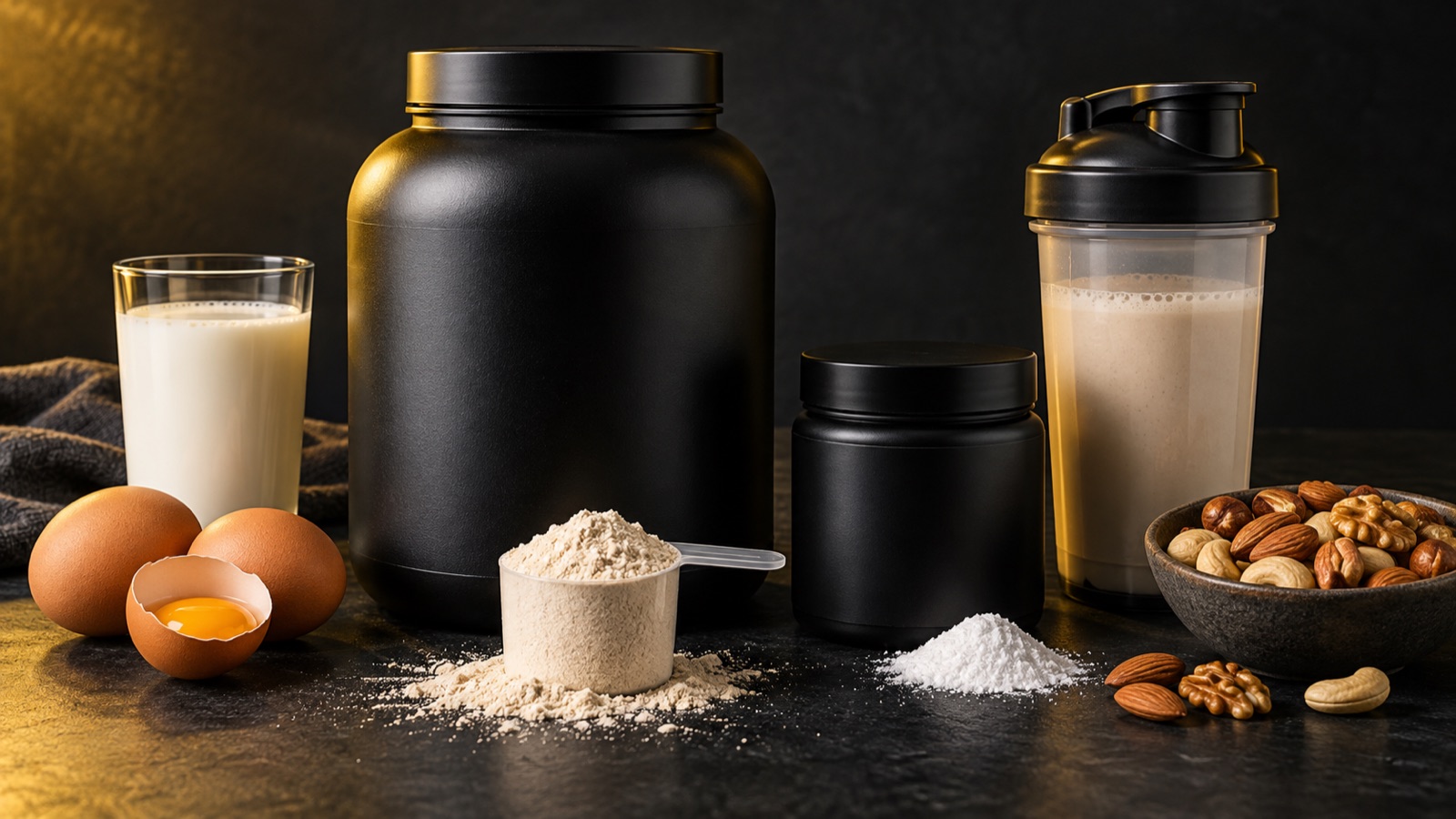
Whey protein is a convenient, high-quality protein source. It can help someone reach an appropriate daily protein intake when work, travel, appetite or meal preparation makes food less practical. It does not build muscle by itself, and it is not automatically better than eggs, dairy, soy, fish, meat, dals or other protein-rich foods. Total daily protein, resistance training and consistency matter more than whether one serving came from a shaker. Impact verdict: useful for convenience, optional when food already covers your needs.
Creatine monohydrate is one of the most studied sports supplements. Evidence supports benefits for strength, power and repeated high-intensity exercise, which may help people perform more quality training over time. Research commonly studies maintenance intakes around 3–5 grams per day in healthy adults, but that is not a universal prescription. Body mass may rise because creatine increases water stored in muscle, and people with medical conditions, pregnancy or medication concerns should obtain professional advice. Impact verdict: a strong evidence-based option for suitable healthy adults, not a substitute for training.
Caffeine can improve alertness and may support endurance, repeated-sprint performance or perceived effort for some people. Response varies widely. More is not always better: anxiety, digestive discomfort, rapid heartbeat, tolerance and disrupted sleep can erase the benefit. Timing matters because caffeine taken late in the day can reduce sleep quality even when you still fall asleep. Coffee may already provide enough. Impact verdict: potentially useful, highly individual and never worth sacrificing recovery for.
Supplements that depend on individual needs
Vitamin D, vitamin B12, iron, omega-3 fats and electrolytes can all be relevant, but they are not a standard shopping list for everyone. Vitamin D status is influenced by sun exposure, skin pigmentation, diet and health. B12 deserves attention for people eating little or no animal food, but assessment and appropriate guidance still matter.
Iron should not be taken casually. Low iron can affect energy and performance, yet excessive iron can be harmful and symptoms such as fatigue have many possible causes. Testing and clinical interpretation are safer than self-prescribing. The same principle applies to high-dose vitamins: more than you need is not automatically better.
Omega-3 intake depends on diet and the reason for considering it. Electrolytes may be useful during long sessions, heavy sweating, hot conditions or repeated training, while water and normal meals may be enough for a short everyday workout. Individual diet, training environment, medical history and verified deficiencies determine whether these products add value.
Marketing gimmicks and overhyped products
Some products contain useful ingredients but are sold with claims far beyond the evidence. Others add cost without solving a meaningful problem. The practical question is not whether a product can produce any biological effect; it is whether it improves an outcome that matters for you after the basics are covered.
| Product | What the evidence suggests | Impact view |
|---|---|---|
| BCAAs | May supply three amino acids, but benefits are limited when total high-quality protein intake is already adequate. | Usually unnecessary when daily protein is covered. |
| Fat burners | Often rely on stimulants that may briefly affect energy or appetite; they do not replace a sustained energy deficit. | High claims, modest value and possible side effects. |
| Testosterone boosters | Over-the-counter blends rarely deliver the dramatic hormone or muscle changes advertised in healthy adults. | Do not confuse marketing with medical treatment. |
| Detox teas | May act as laxatives or diuretics, changing scale weight without removing body fat or “toxins.” | Skip the detox promise; support normal nutrition and hydration. |
| Mass gainers | Provide convenient calories and protein, often with large amounts of carbohydrate. | Useful only when a calorie gap is real; food may offer better control. |
| Glutamine | Important in the body, but extra glutamine has limited evidence for adding muscle in healthy, adequately fed lifters. | Not a priority for most gym goals. |
| Proprietary pre-workout blends | May combine evidence-based ingredients, but hidden amounts make effectiveness and safety harder to judge. | Prefer transparent labels and known doses. |
How supplement marketing manipulates buying decisions
Influencer endorsements can make personal promotion look like independent evidence. Before-and-after advertising removes context about training, diet, lighting, timelines and everything else a person did. Proprietary blends hide ingredient amounts behind a single total. Countdown timers create artificial urgency, while unrealistic transformation promises encourage people to credit a product for an entire lifestyle change.
Packaging also shapes perception. A heavy tub, scientific-looking label or premium price can feel like proof of quality even when the formula is ordinary. Before buying, ask five questions: What exact problem am I trying to solve? Is there credible human evidence for this ingredient and outcome? Are every ingredient and amount disclosed? Could food, training or sleep solve the gap first? Have I checked safety for my health, medicines and other supplements?
Supplement safety and product quality
Read the full ingredient list, serving information, allergen statement, warnings and manufacturer details. Independent third-party testing can add confidence about identity and contamination, particularly for competitive athletes who must consider banned substances. It does not turn an ineffective product into an effective one.
In India, check that labelling and licensing details align with current FSSAI requirements. An FSSAI licence or product category does not prove that a supplement improves performance, guarantees purity or makes every claim valid. Regulatory compliance and scientific effectiveness are different questions.
Supplements can contain undeclared stimulants, contaminated ingredients or amounts that differ from the label. Combining products can unintentionally duplicate caffeine, vitamins or minerals. People with kidney, liver, heart or endocrine conditions, those who are pregnant or breastfeeding, and anyone using medication should speak with an appropriate healthcare professional before use.
The Impact Fitness supplement priority system
Level 1 — Build the foundation. Establish nutrition that fits the goal, structured progressive training, adequate sleep and a pattern you can follow consistently.
Level 2 — Identify the gap. Use diet records, training data, symptoms, environment and—where appropriate—qualified medical assessment or blood tests to define what is actually missing.
Level 3 — Consider evidence-based support. Choose the simplest product that addresses that gap, with transparent ingredients, credible evidence and suitable safety checks.
Level 4 — Monitor and reassess. Track whether the supplement improves the intended outcome, whether it is tolerated and whether it remains necessary. Stop paying for a habit that no longer solves a problem.
A message from Akash Bhil
When I coach someone, I want to find the real bottleneck before recommending another product. Sometimes convenience is the issue and a protein powder genuinely helps. Sometimes performance support such as creatine is reasonable. But very often the missing piece is a repeatable meal, better training structure, a realistic bedtime or simply enough consistent weeks.
If your diet already provides enough protein, whey isn’t compulsory. If your training is inconsistent, creatine won’t solve the problem. If you’re sleeping five hours, a stronger pre-workout isn’t the first solution.
My role is not to make a supplement cupboard look impressive. It is to help you make fewer, better decisions and put your effort where it can create the most progress.
Put it into practice
Your body doesn’t reward how much money you spend on supplements. It responds to what you consistently do. Supplements are not your shortcut to results. They’re support for a process that already works.
This article provides general fitness education and is not personalised medical advice. Speak with an appropriate healthcare professional where individual symptoms, injuries, medication or medical conditions are involved.