
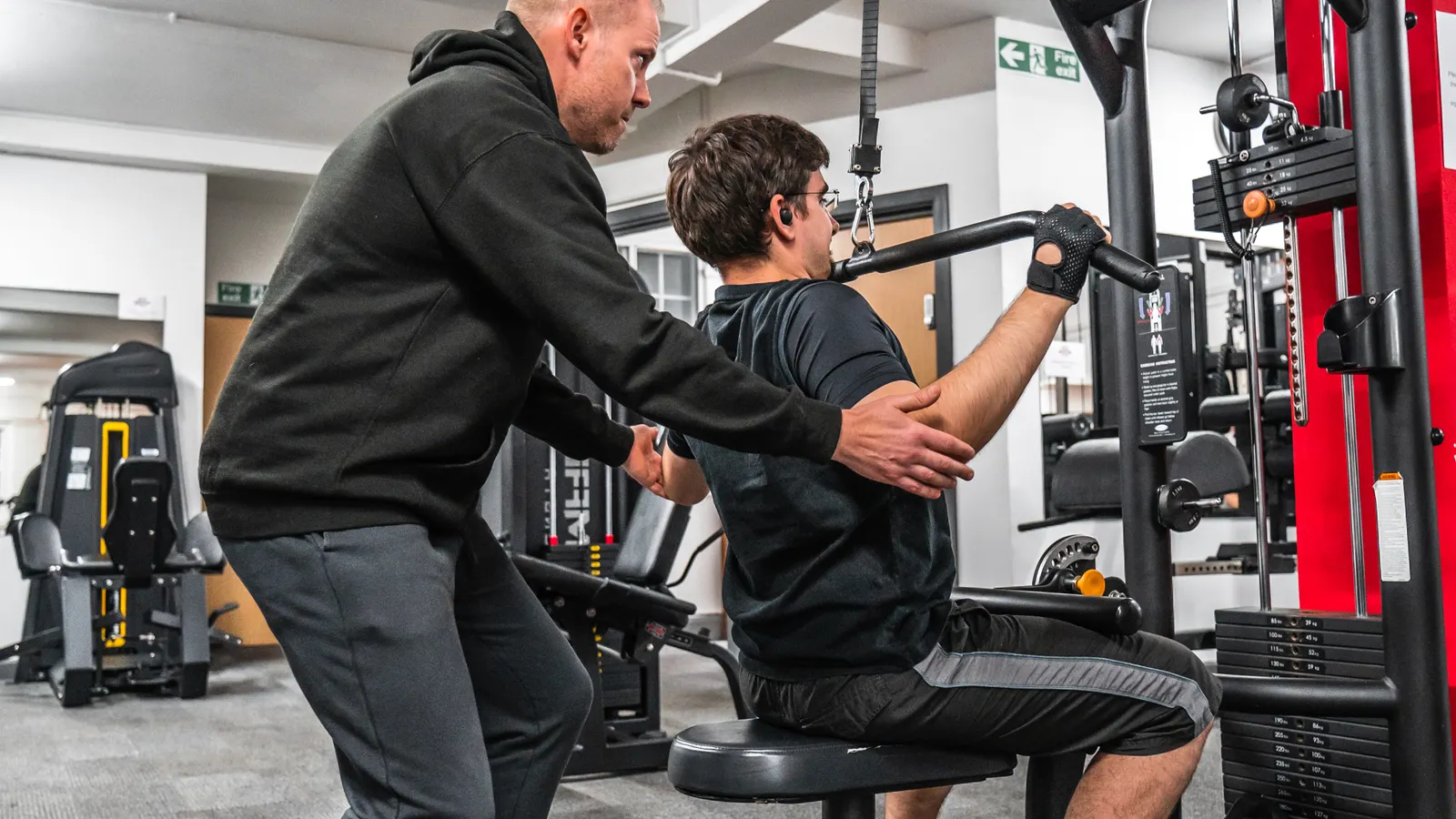
Start with the coaching process
Ask what happens before the first hard workout. A responsible coach should ask about your goal, training history, schedule, preferences, injuries or limitations and current capacity. That information should influence exercise selection, weekly frequency and the pace of progression.
Be cautious if the same demanding workout is handed to every new client. A repeatable coaching method is valuable; a one-size-fits-all plan is not.
- How will you assess my starting point?
- How will you decide my training frequency?
- What will you track and how often will we review it?
Look for teaching, not just intensity
Feeling tired is not proof that a session was well designed. Good coaching makes the purpose of an exercise clear, improves your technique and selects a challenge you can recover from. You should know what you are trying to improve and why the plan is progressing.
Watch how the trainer works with current clients. Are they paying attention, giving useful cues and adapting when someone struggles, or are they distracted and simply moving everyone through a routine?
Check qualifications and scope
Relevant education matters, but so does honest scope. A fitness coach can guide training, habits and general nutrition. They should not diagnose injuries, prescribe medication or replace a doctor or registered dietitian when clinical support is required.
Ask about the trainer’s qualifications and practical experience with people who share your goal or starting point. A credible coach should answer directly without exaggerated promises.
Understand accountability and measurement
Useful progress markers may include attendance, workout performance, strength, measurements, body-weight trends, progress photos, movement quality and how consistently you can follow the plan. Not every marker is needed for every person.
The important question is whether information changes decisions. Tracking without review is paperwork; coaching means interpreting what happened and adjusting the plan when needed.
Choose the environment you can sustain
Location, session timing, privacy, coaching ratio and atmosphere all affect consistency. A technically excellent plan is of little use if the environment makes it difficult to attend.
Before joining, clarify the coaching format, cancellation rules, expected commitment and communication outside sessions. The best fit is the service you understand, trust and can realistically follow.
Put it into practice
Choose a personal trainer who can explain the process, coach the details and review progress honestly. A sensible first conversation should create clarity—not pressure.
This article provides general fitness education and is not personalised medical advice. Speak with an appropriate healthcare professional where individual symptoms, injuries or medical conditions are involved.